Le pinze svizzere trattengono il pezzo, le pinze ER l‘utensile da taglio: campo di presa, precisione e perché sbagliare sistema comporta problemi. BQUQ produce entrambe le famiglie.
Pinze svizzere vs pinze ER: serraggio pezzo vs serraggio utensile — non confondetele
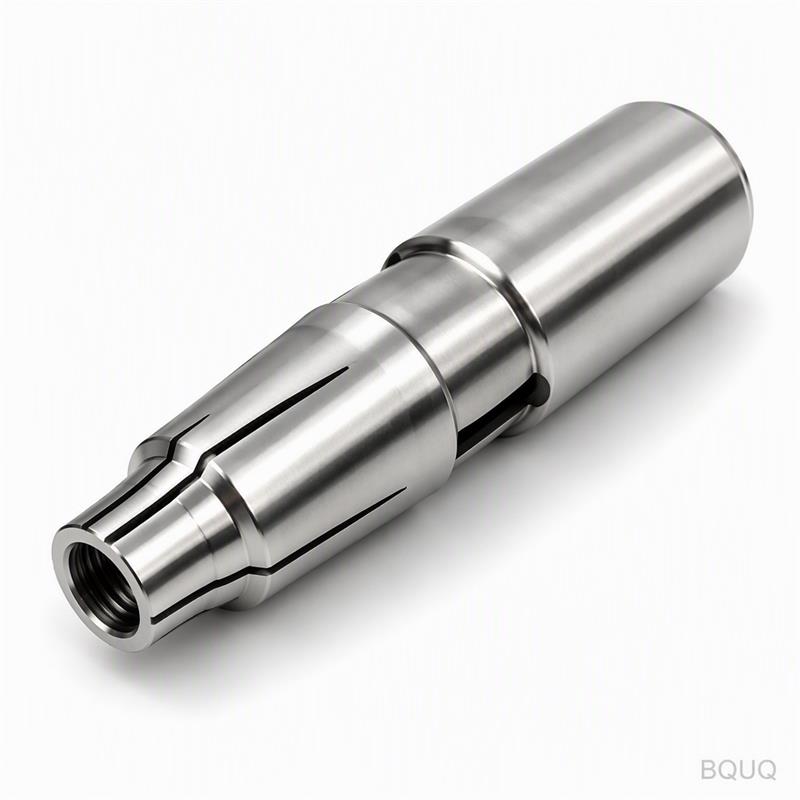
Una pinza svizzera trattiene il pezzo in lavorazione; una pinza ER trattiene l'utensile da taglio. Sembrano vagamente simili — manicotti in acciaio con fessure e cono — ma sono progettate per lati opposti della macchina, e usarne una al posto dell'altra costa presa, precisione e talvolta un pezzo rottamato. I sistemi non sono intercambiabili e non dovrebbero competere nella vostra testa.
La confusione è comprensibile. Entrambe sono chiamate pinze, entrambe hanno un naso conico, entrambe serrano chiudendo segmenti fessurati. Ma una pinza di tipo svizzero è un serraggio del pezzo: trattiene la barra che verrà lavorata, sopporta le forze di avanzamento assiale ed è alesata per corrispondere alla barra entro centesimi di millimetro. Una pinza ER è un serraggio dell'utensile: trattiene il gambo cilindrico di una punta, fresa o maschio così che l'utensile possa essere cambiato rapidamente in un portautensile, ed è progettata per trattenere una gamma di diametri del gambo, non un diametro esatto. Questa guida traccia una linea chiara.
Due sistemi, due lavori
Guardate il foro e vedrete subito la differenza. Una pinza per tornio svizzero o a camme è ordinata per una dimensione specifica della barra — un foro per barra da 12,00 mm trattiene una barra da 12,00 mm, con solo pochi centesimi di millimetro di campo di chiusura. La pinza è di fatto un'estensione di precisione del mandrino e la barra viene lavorata mentre è trattenuta. BQUQ produce queste pinze a molla per torni a camme nei tipi 36/46/52/60/630/643 in acciaio legato indurito e acciaio per molle esattamente per questo lavoro.
Una pinza ER, al contrario, è dimensionata a passi — tipicamente passi da 1 mm — e ogni pinza si chiude abbastanza da trattenere gambi attraverso il suo campo di passo. Il sistema ER segue la norma ISO 15488 (originariamente DIN 6499), e il numero nel nome è il diametro esterno della pinza: una pinza ER25 ha 25 mm di diametro esterno e serra gambi fino a circa 16 mm. Si inserisce in un portautensile o dado di serraggio e il suo unico compito è trattenere rigidamente l'utensile mentre l'utensile taglia.
| Proprietà | Pinza di tipo svizzero | Pinza ER |
|---|---|---|
| Cosa trattiene | Barra del pezzo in lavorazione | Gambo dell'utensile |
| Logica del foro | Abbinata alla dimensione esatta della barra | Passi da 1 mm con campo di chiusura |
| Carico assiale in servizio | Sopporta forze di avanzamento e trazione della barra | Minimo; coppia e carico di taglio radiale |
| Chiusura tipica per pinza | Classe ~0,02–0,10 mm | ~0,5–1,0 mm attraverso il passo |
| Norma | Specifica del produttore/serie (36, 46, 2J, 16C…) | ISO 15488 / DIN 6499 |
| Utilizzata in | Mandrino di torni svizzeri/a camme | Torrette portautensili, mandrini, supporti per fresatura |
I valori di chiusura sono tipici — le pinze a molla variano a seconda del design e alcune varianti ER a "campo ampio" si chiudono di più. Il punto strutturale rimane: un sistema è dimensionato per il pezzo, l'altro per l'utensile.
Cosa va storto quando le si confonde
Ogni errore fallisce in modo prevedibile, il che almeno rende facile la diagnosi. Se si serra una barra in una pinza ER, la presa è distribuita su un campo di chiusura progettato per un gambo utensile rigido, non per un pezzo morbido: la barra scivola sotto l'avanzamento assiale, si segna o si ammacca sulla linea di presa, e la concentricità ne risente perché la pinza ER non può essere alesata sulla barra. Le pinze ER sono fatte per essere economiche e flessibili; non sono il riferimento di precisione di cui un'operazione di lavorazione ha bisogno sul materiale grezzo.
Se si prova il contrario — una pinza svizzera che trattiene un utensile da taglio — si scopre che il gambo dell'utensile è una misura standard come 20 mm mentre la pinza è alesata per barra da 20,00 mm, e l'adattamento non è mai garantito. Peggio, le pinze svizzere non sono standardizzate tra macchine come lo sono le pinze ER, quindi la pinza potrebbe anche non sedere in un portautensile. E nessun uso improprio sopravvive a uno schianto: le pinze di serraggio pezzo e quelle di serraggio utensile vedono direzioni di forza e cicli di lavoro completamente diversi.
| Uso improprio | Sintomo | Soluzione |
|---|---|---|
| Barra in pinza ER | Scivolamento, segni, scarsa rotondità | Passare a pinza di tipo svizzero o da tornio nel mandrino |
| Utensile in pinza svizzera | Scarso adattamento, nessuna sede standard, vibrazioni | Passare a pinza ER o TG in un portautensile |
| ER eccessivamente chiusa su barra | Barra deformata o rigata | Dimensionare il sistema per il lavoro, non per il momento |
La regola da ricordare: su un tornio di tipo svizzero la pinza del mandrino trattiene la barra (serraggio pezzo) e i portautensili della torretta usano pinze ER o simili per trattenere gli utensili (serraggio utensile) — entrambe sono presenti sulla stessa macchina, con lavori diversi. Le nostre guide su mandrini portautensili a pinza e sul sistema di pinze ER coprono in dettaglio il lato del serraggio utensile.
Oscillazione, presa e cosa promette ciascun sistema
Le dichiarazioni di precisione hanno senso solo all'interno del sistema giusto. L'oscillazione di una pinza ER è specificata al suo naso con una barra di prova rettificata — i gradi standard tipici arrivano a circa 0,015 mm, i gradi di precisione sono più stretti, e il numero è misurato sull'utensile che trattiene. La concentricità di una pinza svizzera conta al mandrino, perché determina quanto è vera la rotazione della barra grezza mentre viene lavorata; qui la classe utile è intorno a 0,005 mm, e dipende dalla pinza, dalla sede del mandrino e dalla rettilineità della barra insieme.
Ecco perché un'officina che gestisce entrambi i lati dovrebbe mantenere due standard, non uno. Sul lato utensile, il compito della ER è il cambio utensile ripetibile con un'oscillazione sufficientemente buona per l'operazione. Sul lato pezzo, il compito della pinza è essere una vera estensione del mandrino così che ogni parte parta dallo stesso centro. Se i vostri mandrini a pinza svizzeri e le pinze ER di serraggio utensile sono entrambi lavorati da una fabbrica sorgente con capacità CNC di ±0,005 mm, ottenete una base difendibile su entrambi i lati del taglio.
Domande frequenti
D: Posso usare una pinza ER per trattenere una barra su un tornio svizzero?
R: Non come serraggio principale del pezzo. Le pinze ER trattengono i gambi degli utensili su un campo di chiusura e mancano dell'abbinamento esatto del foro, della presa assiale e della sede nel mandrino necessari per il lavoro su barra. Usate pinze di tipo svizzero per la barra; tenete le ER per gli utensili.
D: Perché le pinze ER sono disponibili in passi di dimensione da 1 mm?
R: Perché ogni pinza ER si chiude di circa mezzo millimetro per lato attraverso il suo passo, una pinza può trattenere diversi diametri di gambo all'interno del suo campo. Questa flessibilità si adatta al cambio utensile, dove gli standard dei gambi sono fissi, molto meglio che al materiale grezzo.
D: Un mandrino a pinza ER è la stessa cosa di un mandrino a pinza su un tornio?
R: No. Un mandrino a pinza ER è un portautensile — monta un utensile da taglio in un mandrino o in una torretta. Un mandrino a pinza da tornio trattiene il pezzo in lavorazione. La parola condivisa "mandrino" causa la maggior parte della confusione; controllate cosa trattiene il dispositivo prima di ordinare.
D: Quale sistema offre una migliore oscillazione, svizzero o ER?
R: Per il proprio lavoro, ciascuno può essere eccellente. Le pinze ER di precisione mantengono circa 0,005–0,015 mm al naso su una barra di prova rettificata; un sistema di pinze svizzere nella classe 0,005 mm mantiene il pezzo concentrico al mandrino. Confrontateli solo all'interno dello stesso lavoro.
D: Cosa significa il numero ER?
R: È il diametro esterno della pinza in millimetri. ER25 ha 25 mm di diametro esterno e serra gambi fino a circa 16 mm; ER32 ha 32 mm di diametro esterno e serra fino a circa 20 mm. Più grande è il numero, più grande è la pinza e più pesante è l'utensile che può trattenere.
Autore: Team Ingegneristico BQUQ. BQUQ è una fabbrica sorgente certificata ISO9001 a Dongguan, Cina, che gestisce lavorazioni CNC, tranciatura/stampaggio metalli, molle su misura, dissipatori di calore e linee di pinze sotto lo stesso tetto. Inviate i disegni a sc@bquq.com o WhatsApp +86 13713157787 per un preventivo entro 12 ore lavorative. www.bquq.com